Types of Sleep Apnea
Apnea is a Greek word meaning “lack of breathe” and effectively that is what happens with sleep apnea. The clinical definition of sleep apnea is the cessation of breathing greater than 10 seconds. There are 3 main types of sleep apneas and they are
Understanding sleep apnea and how CPAP therapy helps
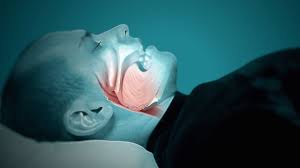
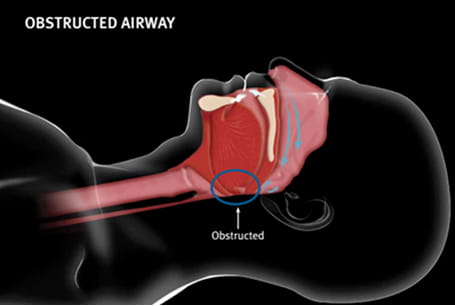
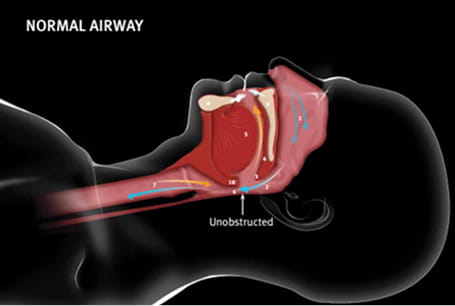
The most common form of sleep apnea is Obstructive Sleep Apnea (OSA), which occurs when the upper airway collapses during sleep. When we’re awake, muscle tone keeps the airway open, but during sleep this tone decreases, reducing the ability to maintain airflow.
Factors contributing to OSA include weight gain, a large tongue, and narrow airways. Fat deposits around the neck and certain jaw structures can also increase the risk. Some populations, such as Asians, are more susceptible due to natural jaw shape rather than weight.
Central Sleep Apnea (CSA) happens when the airway remains open but the brain doesn’t send the proper signals to the respiratory muscles. It can be linked to cardiac or neurological conditions and is often treated using BiPAP or VPAP machines, which assist both inhalation and exhalation.
Symptoms of Obstructive Sleep Apnea
The symptoms of Sleep Apnea vary according to the individual but is most commonly identifies by the following.
- Excessive snoring, Grunting or gasping for breathe during sleep
- Excessive daytime sleepiness
- Morning headaches
- Restless sleep
- Mood changes and being less motivated in general
- Irritable
- Depression
- Sleepiness whilst driving
Sleep Apnea Cycle
The Sleep Apnea cycle is not widely understood and there is often a lack of explanation to patients about why people are feeling the way they do when they have sleep apnea
When someone stops breathing during sleep there are a number of consequences. The brains senses the airway has closed and because air is not going to lungs there is a drop in the amount of oxygen we are receiving. This sends a signal to the brain that we need to either wake up or have a momentary brain arousal to get the airway open again. The heart also tends to increase its rate of beating to compensate for the drop in oxygen and there is an elevated heart rate.
People don’t understand that sleep is not passive and there are different stages of sleep and it is simply explained by 4 stages of non-REM sleep, REM (Rapid Eye Movement) sleep and Wake. When we go to sleep we start in stage 1 and move through to stage 4 and then have a REM cycle and then this cycle repeats. We need to get stage 3 and stage 4 ( slow wave sleep), and REM sleep to wake up feeling refreshed. When sleep apnea occurs it causes a brief cortical arousal in the brain pattern that prevents someone from progressing through to slow wave sleep and they often only are getting a light sleep. When REM sleep is experienced the body has its lowest muscle tone and hence we are more prone to sleep apnea during REM sleep. There are some people who only experience sleep apnea during REM sleep or in the supine position(on your back).
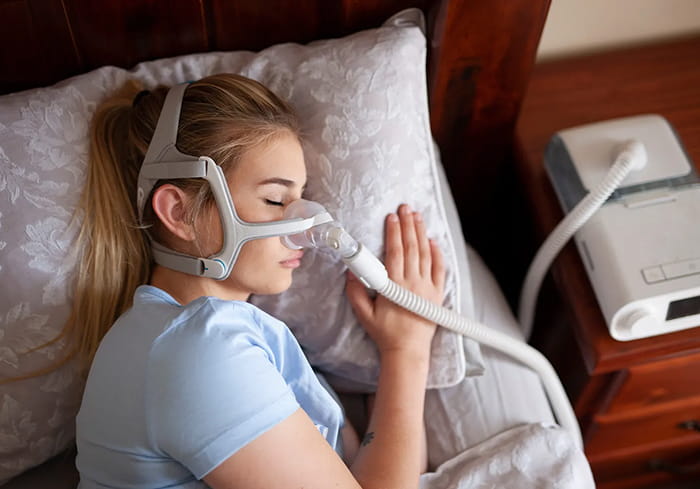
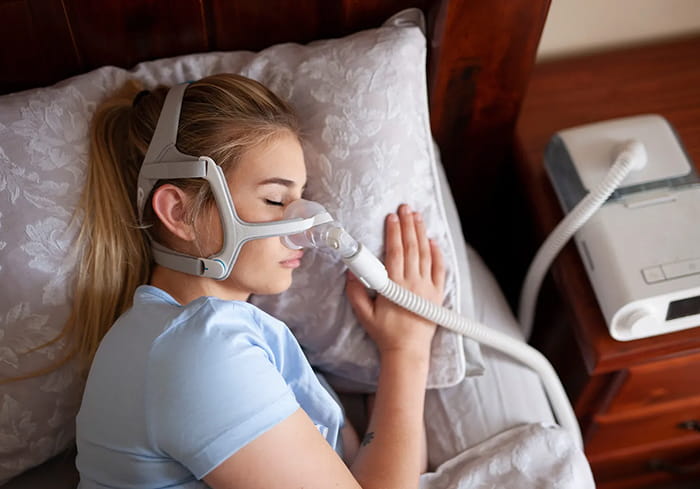
CPAP is the most common form of treatment for sleep apnea and is considered the gold standard for treatment. CPAP stands for Continuous Positive Airway Pressure and it pushed air into your airway to splint it open. There are various pressures which are delivered and they are all individualised to the patient. Depending upon the severity of your apnea you will need a specific pressure to maintain an open airway.
There are 2 forms of CPAP machines and they are fixed CPAP or Variable (Automatic) CPAP machines. The fixed pressure CPAP machine will deliver one pressure all night and this is prescribed by your referring physician or sleep clinic. An Automatic CPAP machine will determine when to increase the pressure or decrease the pressure according to your needs. Automatic CPAP machines are particularly useful if you experience positional apnea or REM apnea as they will increase the pressure during these periods and when you are in a different body position or not in REM sleep it will reduce the pressure as you may not need so much pressure. Automatic CPAP machines have a prescribed range of pressure and the software inside the machine will determine if your airway is open or closed.
BIPAP or VPAP machines are designed for treatment of respiratory conditions and in particularly are used to treat central sleep apnea. There are various forms of these and generally are S (spontaneous), ST (Spontaneous Timed), or SV machines.
Spontaneous timed machines are used to treat people with central sleep apnea who can’t spontaneously produce their own breath and the machine will detect this is occurring and deliver a breath for them. They often have a high amount of alarms available.
Servo ventilators are primarily used to treat complex sleep apneas. Complex sleep apneas is when people have both obstructive sleep apnea and central sleep apneas together. These machines have a sophisticated algorithm designed to increase the EPAP pressure for the obstructive events whilst using IPAP to treat the central events.
Talk to our friendly team
Benchmark Sleep Services is a business owned and operated by sleep experts with the experience to deal with all issues. Benchmark Sleep Services is dedicated to providing outstanding service which achieves good patient outcomes without compromising the highest medical and ethical standards.